
PROJECTS
CORA Sponsors “CT’s Trail Community” the 7th Annual CT Trail Symposium and the World Trails Film Festival
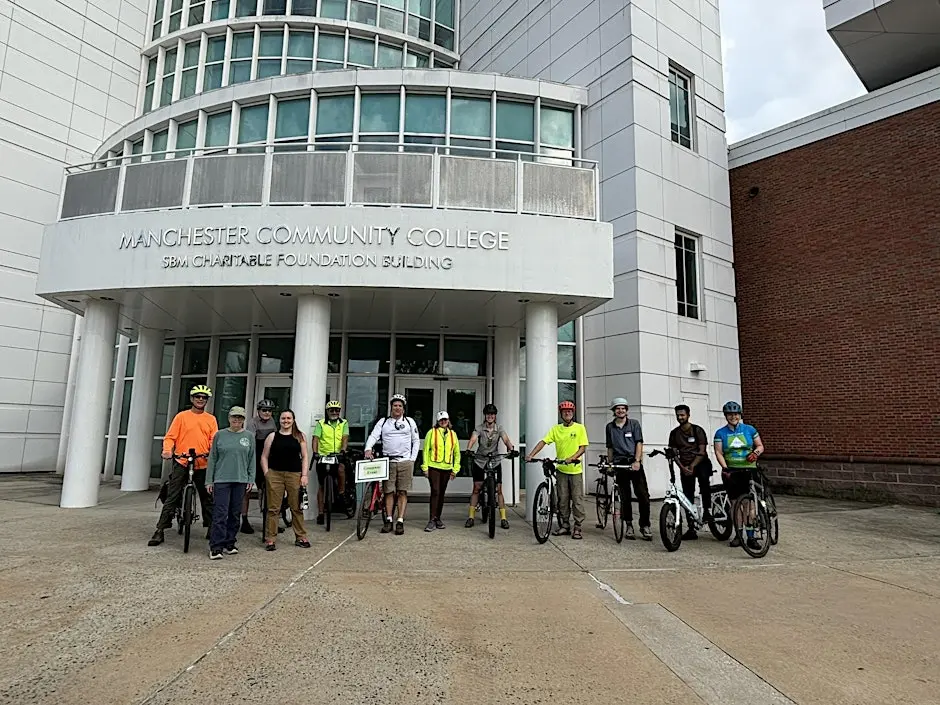
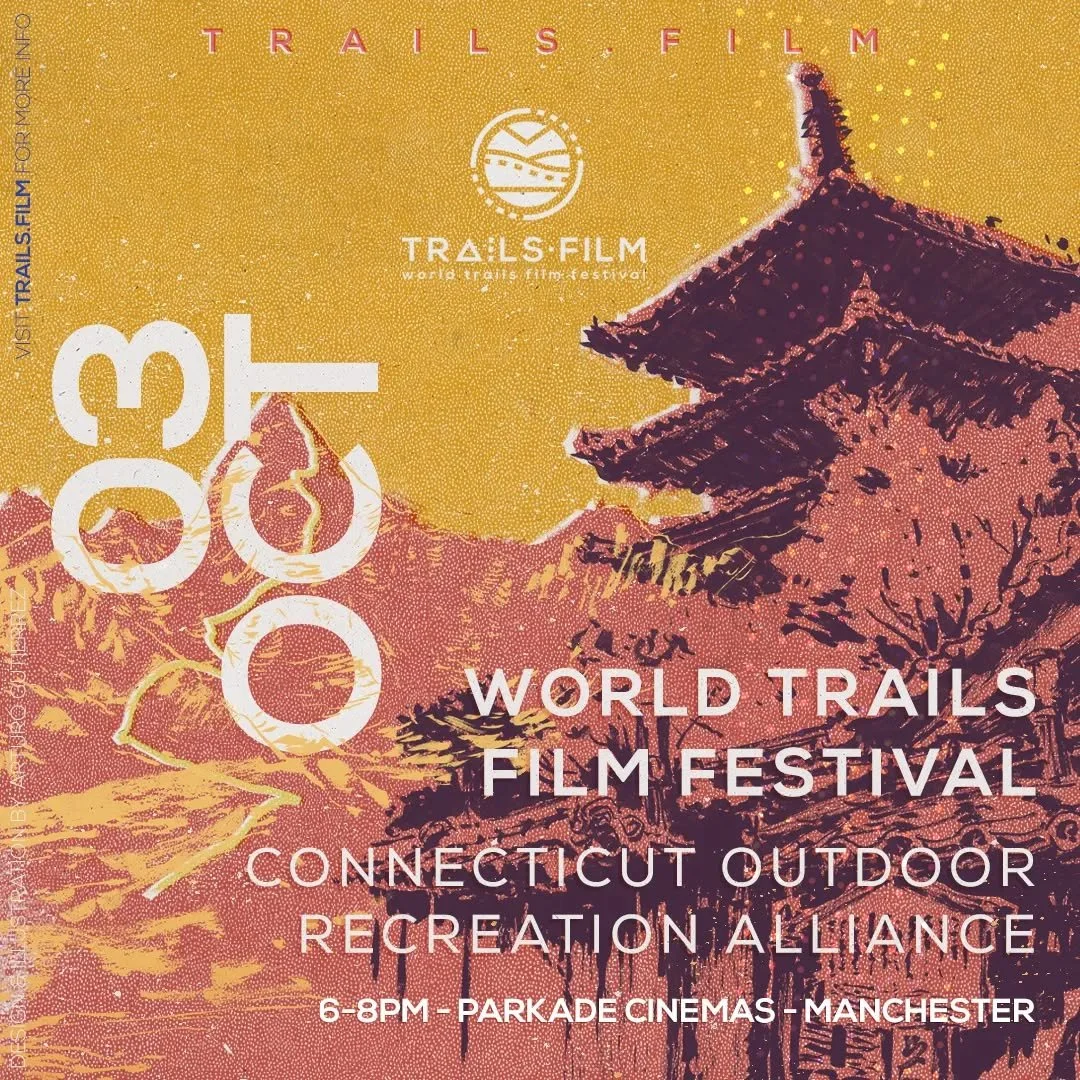
Celebrate Connecticut’s trails at the 7th Annual CT Trail Symposium and World Trails Film Festival on Friday, October 3, 2025!
Nearly 175 stakeholders from around the state spent the day learning from speakers, exploring concurrent sessions, and networking with trail enthusiasts. Many sessions focused on how to bring trails CFPA Trails Director Clare Cain, and Christian Nakarado, Assistant Professor of Ecological Design at Wesleyan University, presented “Ecological Design for Trail Projects.” There were great presentations on building accessible trails for those with lesser abilities, how trails connect and build community, and the future of active transportation in CT (multi-use trails, rail trails and road-based bike routes)
After a great day of learning and connecting we enjoyed the World Trails Film Festival, an adrenaline-packed lineup of trail-focused films featuring stories of nature, adaptive recreation, mental health, community, urban trails, and the voices of women and minority trailblazers.
Connecting Connecticut: 5th Annual Trails Symposium - CORA Presenting & Silver Sponsor


Connecticut Trail Finder - CORA to Consult
September 2023 - As part of a one-year grant, CORA will work with the University of Connecticut Extension Program’s Connecticut Trail Finder project, to help identify businesses providing trailside events and services for inclusion on the website. Connecticut Trail Finder is a public website to provide information about and promote the use of trails in Connecticut.
Find Your Trail!

Statewide Comprehensive Outdoor Recreation Plan - Comments from CORA
September 2023
Dear Mr. Mike Lambert:
The Connecticut Outdoor Recreation Alliance (CORA) is submitting comments regarding the 2023 Statewide Comprehensive Outdoor Recreation Plan (SCORP) process and draft goals. We applaud the Department of Energy and Environmental Protection (DEEP) for undertaking and devoting resources to this arduous process. Additionally, we appreciate Akieba Hicks for her availability and outreach.
To ensure the final report is a benefit to the outdoor recreation community, below are some suggestions regarding the information gathering process and goals.
Advisory Board Composition
The entire process would be better served with a larger variety of viewpoints. Therefore, a concerted effort to include other state offices such as tourism, economic development, and public health could contribute to the process and provide information to further the goals decided upon by the SCORP committee. The recreational economy is growing in Connecticut and including entities such as ski resorts, adventure parks, and boating organizations, as well as the usual NGOs will add depth to the discussion. Many other states have SCORP advisory committees which have greater depth and variety of knowledge.
Communication
Regular meetings, at least once a month, would help the advisory committee monitor progress and adjust strategy. Some interest groups expressed frustration with the long periods between meetings. Additionally, having relevant meeting materials in advance of meetings will help foster productive discussions. Other states have webpages for the public and just for the advisory committee, which interested parties can refer to.
Surveys
We appreciate recent efforts to use surveys in different parks to increase randomization. However, we would like to see more questions directed to positive user experiences and outcomes. CORA would be happy to collaborate with DEEP on developing these questions. We just want to make sure our decisions are based on solid and unbiased survey data.
Draft Goals for 2023 SCORP
At the last meeting, four draft goals were presented: 1) DEI 2) Resource protection 3) Enhancing Visitor Experiences, and 4) Fostering Awareness and Relevancy of Benefits of Outdoor Recreation.
These four goals have much in common with other state’s SCORP’s, however, many SCORP’s now refer to economic development through the outdoor recreation industry which can include small businesses not directly in the recreation business such as an ice cream stand along a paved bike path. Some states are promoting festivals for biking and other recreational groups and have found that these “out of the box” activities bring much to the recreational experience. Recreational tourism is growing very rapidly and SCORP goals can provide the guidance needed to promote tourism and outdoor recreation economic development while protecting the beautiful and special environmental resources in Connecticut.
Another initiative in other states relates to health outcomes. COVID lockdowns have shown the demand for outdoor recreation. While it seems state park congestion and parking issues have eased, the demand for outdoor recreational experiences continues to increase. Developing a lifelong habit of getting outdoors for exercise and mental health throughout the lifespan is critical to population health.
We hope that the SCORP goals will incorporate avenues for public/private collaboration; meeting the demands of underserved recreational groups; creating and driving programming for DEI and groups who have not traditionally been accessing outdoor resources and activities; and incorporating goals that can be used to direct and guide a variety of governmental, nongovernmental, and private recreation and conservation entities.
We thank you for this opportunity to provide feedback on the 2023 SCORP.
Sincerely,
Paula Burton, President, Connecticut Outdoor Recreation Alliance (CORA)
Link to final version of CT SCORP